
Experts have warned of the hidden health risks associated with the unregulated global trade of mummified remains
Our research revealed that mummified remains sold online exhibit signs of biodeterioration, yet sellers provide no safety guidance, suggesting limited awareness or deliberate disregard of hazards.
A new study, led by University of Staffordshire, has found evidence of potentially hazardous microbial growth on mummified human and animal remains advertised for sale online – posing risks to both sellers and buyers.
The analysis of 128 online posts and auction listings also highlighted non-compliance with postal regulations, potentially putting delivery workers, customs officials and other members of the public at risk.
Isolated human body parts, including hands and feet, were the most frequently listed items, while more than half of the sample involved heads in varying states of completeness and preservation.
Sellers were found to provide little information about the safe handling of remains, while some posts showed people handling mummified human remains without gloves.
Although not all items in the study had visible signs of possible fungal growth or extensive deterioration, the researchers warn that microbial colonisation may not always be visible, meaning apparently well-preserved remains can still present potential risks.
Lead author Dr Kirsty Squires, Professor of Human Bioarchaeology at University of Staffordshire, conducted the research with international colleagues from Vilnius University, the University of Salento, the University of Messina, and Adelaide University.
“The rise of the internet, especially social media, has amplified international trafficking and driven demand for unique cultural heritage, including mummified humans and animals,” she explained.
“However, these preserved remains pose health and biosecurity risks, due to the toxicity of embalming methods and/or suboptimal storage that can promote microbial growth.
Our research revealed that mummified remains sold online exhibit signs of biodeterioration, yet sellers provide no safety guidance, suggesting limited awareness or deliberate disregard of hazards.
“There is also evidence to show that mummified remains are being mailed to buyers, both nationally and internationally, with little (if any) consideration of the health and safety implications of these actions. Clearer, more prominent guidelines are needed to ensure buyers and sellers are unable to misinterpret or find loopholes in shipping policies.”
The potential dangers of mummified remains are not unknown. Exposure and inhalation of Aspergillus spores have been attributed to the deaths of 10 out of 12 conservation scientists who opened the tomb of King Casimir IV Jagiellon in Kraków in the 1970s.
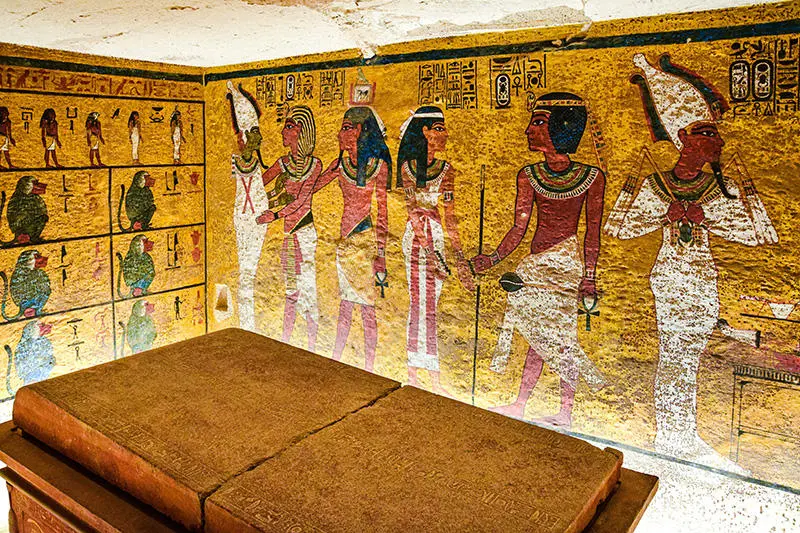
It is also believed that a severe form of Aspergillosis may have contributed to Lord Carnarvon’s death, possibly resulting from inhaling Aspergillus spores in Tutankhamun’s tomb. In these cases, fungal spores lay dormant for hundreds of years, and once disturbed they became airborne and dangerous to human health.
Inadequate packaging and storage conditions of mummified remains can accelerate their biodeterioration and fungal growth, while disturbing remains can potentially release fungal spores into the air.
Mummified remains can also contain substances historically used in preservation and embalming, including arsenic, mercury, and lead.
The researchers argue that stronger oversight and clearer guidance is needed across online marketplaces, postal and courier industries, customs services, and relevant authorities.
Professor Squires added: “Despite the notable health and safety risks associated with handling mummified remains, they are typically overlooked by sellers in this unregulated market. This may stem from limited awareness of biohazards posed by preserved soft tissues and/or from profit-driven motives that disregard human health and safety.
“Until more effective measures are implemented, the public should remain vigilant and report sales of mummified remains to relevant authorities and professional bodies. Improved oversight and education are therefore essential to safeguard public health and preserve archaeological remains.”
Read the full paper The Real Mummy’s Curse: Health Risks Associated with the Sale and Trade of Mummified Remains published in the International Journal of Cultural Property.