
A University of Staffordshire forensics expert has joined international efforts to crackdown on illegal poaching in the River Danube
It's not just the big, charismatic animals like rhino and elephants that are poached. Illegal fishing is a huge threat to sturgeon, but most people don't know that this is happening.
Sturgeon poaching is a growing wildlife crime globally, driven by the lucrative black-market for fish eggs, sold as caviar. Very few cases, however, lead to prosecutions due to a lack of forensic evidence.
To help bring sturgeon poachers to justice, Professor Claire Gwinnett has been training professionals from across Romania and Bulgaria in wildlife crime scene investigation and how to apply forensic science techniques commonly used in human investigations.
“The value of an average sized beluga sturgeon is around €20,000. So, there's a real monetary incentive, which is often linked to organised crime,” explained the Professor of Forensic and Environmental Science.
“Caviar from the fish is packaged to look like it's been farmed instead of caught in the wild. It is difficult to link these products back to the original crime, unless perpetrators are caught in the act of poaching.”
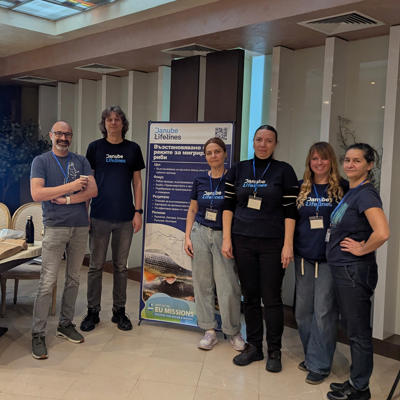
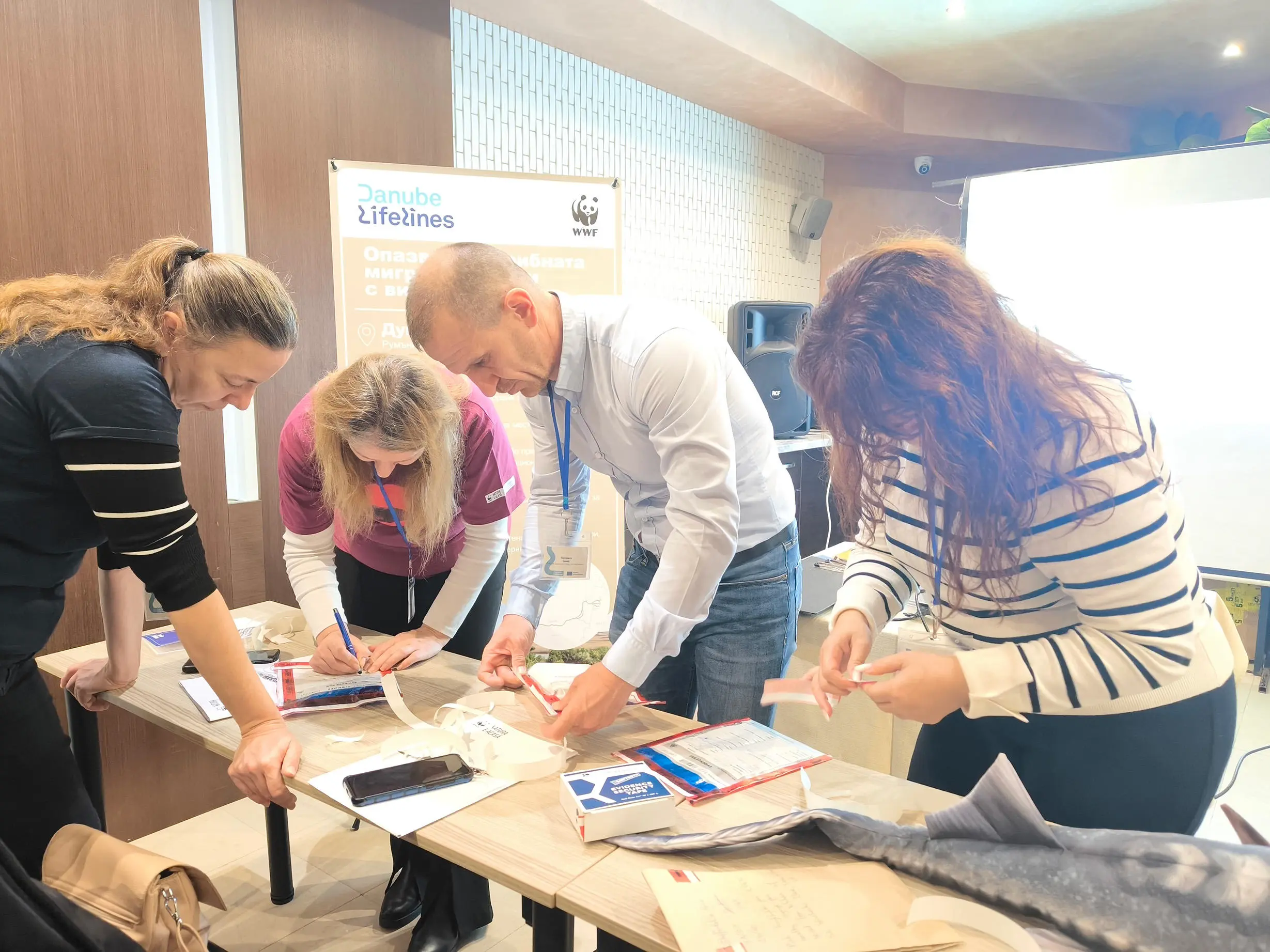
The professor has joined forces with DANUBElifelines, a Horizon Europe-funded project focused on the conservation of migratory fish and their habitats across the Danube River Basin, working to restore and protect migration corridors, habitat connectivity and critical habitats. Alongside WWF Romania and WWF Bulgaria, she recently delivered a wildlife forensics workshop to 40 participants from both sides of the Danube. The event brought together professionals working across prosecution, policing and conservation.
As well as introducing forensic theory, the workshop included practical training, providing the opportunity to practice documenting, collecting and preserving evidence.
“We need multi-agencies involved, including border control, to be able to tackle illegal fishing. Especially on the River Danube, where this mostly happens on the border between Romania and Bulgaria and in the Danube Delta. It is very difficult to police and being on the water makes it a particularly challenging environment.”
Gwinnett continued: “Suspected poaching cases often don’t get to court due to a lack of evidence. Or where the evidence has been attempted to be collected, people often don’t have the knowledge to package it correctly, to maintain appropriate continuity and integrity of the evidence. There is a real need to improve how evidence is identified, collected and preserved.”
George Caraca, Sturgeon Advocate at WWF Romania, explained: “A report by WWF showed that in the past 10 years, authorities in Romania reported 235 cases of illegal activities towards sturgeons. Yet the number of cases that reach court is very low. In the past five years, 31 criminal files were recorded, with convictions in only 24 cases.”
“Authorities are interested in managing the sturgeon crime scenes, collecting and handling the evidence to send well documented cases further down the chain. Professor Claire Gwinnett’s passion towards wildlife forensics kept the participants interested and actively involved in the forensic training.”
Lines of large karmaci fishing hooks are commonly used for poaching sturgeon, but criminals also employ more extreme tactics including the use of explosives or electrical devices to kill wild fish.
According to Gwinnett, knowing how to find and collect evidence from such crime scenes could make or break a case.
“The hooks used to catch the fish, for example, may retain fingerprints, DNA and trace evidence that could help investigators build a case if they are collected and packaged correctly. Or there may be residue from explosives on a perpetrator's hands or clothing, if you know what to look for.”
Stoyan Mihov, Freshwater Program Manager at WWF Bulgaria, added: “One of the most valuable insights from Professor Claire Gwinnett’s training was realising that each hook may also be a source of forensic evidence, even after spending months underwater.
“This creates a real opportunity to turn equipment once considered only a sign of a crime into evidence that can help identify offenders and support successful prosecutions.”
As part of the wider work, 100 wildlife crime scene kits will be distributed to professionals working on the ground, including rangers and police forces, to help them apply the techniques and procedures covered in the training.
Gwinnett added: “It's not just the big, charismatic animals like rhino and elephants that are poached. Illegal fishing is a huge threat to sturgeon, but most people don't know that this is happening.
“The more we can raise awareness and work together, the better chance we have of protecting this endangered species.”
Gwinnett is a global expert in wildlife crime scene investigation, having helped to establish the Wildlife Forensic Academy in South Africa and was part of the European-wide Nature First project, focused on protecting endangered animals and their habitats.
She also helped to establish the European Wildlife Forensic Network, which is hosting an upcoming webinar, for anyone interested in learning more about their work. The session, co-hosted by Gwinnett, will introduce specialist training in wildlife forensics, including forensic DNA analysis, post-mortem interval and toxicology, and advanced scene documentation.
From Crime Science to Courtroom takes place on Wednesday 18 November, from 2pm to 4pm – book your place.