
Scientists discover microbes living on deep sea rubbish ̵ including plastics, rubber and glass - which could threaten our oceans’ eco-systems.
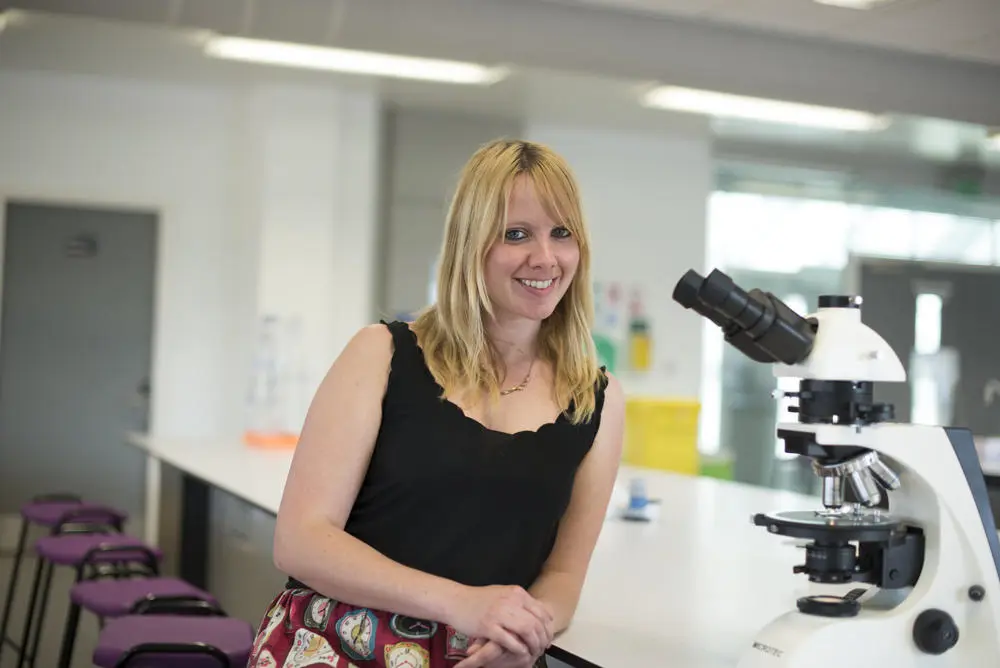
"Changes in the natural balance of bacterial communities in the marine world caused by the presence of litter could affect the future of the organisms living in these environments."
The research, published this week on PLOS ONE, was carried out by academics from Staffordshire University, the University of Bristol, the University of Oxford and The Natural History Museum.
The team analysed samples of marine debris collected by an ROV (Remote Operational Vehicle) at depths of up to 2950m in four areas of the Atlantic Ocean and found a diverse range of microbes on the surface of the litter.
Evidence of microbes has previously been found on plastic debris collected from ocean surface water but this is the first study to look at bacteria communities on litter from the deep sea.
Dr Claire Gwinnett, Associate of Forensic Science at Staffordshire University, explained: “We know that marine pollution causes many problems, with sea creatures ingesting plastics or becoming entangled for example, but there has been limited research into the microbes that live on debris in the ocean.
“Macroplastics and other materials travel vast distances through the seas and with them transport different microbial communities around the world. Our study has shown that there is a similar microbial richness across all samples (sediment and litter) found in the deep sea, which is contrary to results from floating microplastic collected at the oceans surface seen in other studies.”
Dr Gwinnett leads the Forensic Fibres & Microplastic Research Group at Staffordshire University and was recognised with a prestigious grant to fund her research into plastic pollution earlier this year.
During the study, she identified and categorised the samples of litter which were then sent for further analysis. Colleagues in the team then extracted DNA from the samples to identify if there is a link between the different materials and what was living on them.
The results suggest that marine debris including metal, rubber, glass, fabric and plastic provide diverse habitats for bacterial and archaeal biofilms and may harbour distinctly different communities.
“Changes in the natural balance of bacterial communities in the marine world caused by the presence of litter could affect the future of the organisms living in these environments but there is a lot still left to learn about what these effects actually may be.” commented Dr Gwinnett.
“This research shows that there are diverse communities of microbes living on plastics in the ocean and that there are differences between the bacterial and archaeal communities of litter items of different materials. We see this as a pilot project which will help to develop further work in understanding plastic pollution’s effect on the deep-sea microbial biosphere.
“These microbial communities are likely to impact how plastics degrade in the deep-sea and break down into microplastics; understanding this better could help us find solution to the plastic pollution problem. This is an exciting step in identifying sustainable alternatives to plastics and other manmade products.”
Read the full paper ‘Deep-sea anthropogenic macrodebris harbours rich and diverse communities of bacteria and archaea’ on PLOS ONE here.