
A University of Staffordshire professor is helping to raise awareness of wildlife crime and its often-overlooked consequences
While forensic science has proven highly effective in solving human crimes its potential in wildlife crime remains underused. Advances in DNA technology, for example, allow investigators to create profiles from even a single cell, yet these techniques are rarely applied to animal-related cases.
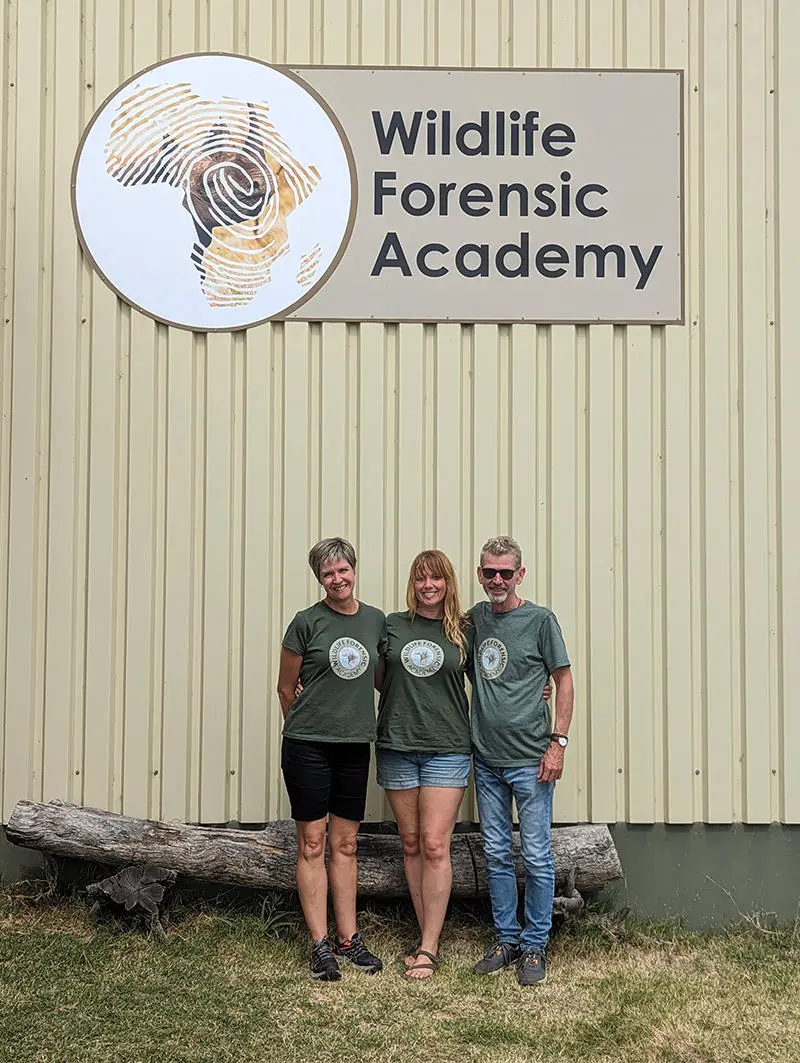
Claire Gwinnett, Professor in Forensic and Environmental Science, works with the Wildlife Forensic Academy (WFA) – a pioneering training facility based in South Africa.
The academy trains professionals to tackle wildlife crime using forensic science techniques. It is expanding its reach globally and Gwinnett recently joined colleagues on a tour of the United States to share their knowledge.
The team visited the John Jay College of Criminal Justice in New York and delivered workshops in Atlanta for professionals including high court judges, prosecutors, criminologists, forensic pathologists, and the media.
“While forensic science has proven highly effective in solving human crimes its potential in wildlife crime remains underused. Advances in DNA technology, for example, allow investigators to create profiles from even a single cell, yet these techniques are rarely applied to animal-related cases,” explained Professor Gwinnett.
“The training programmes that University of Staffordshire and the Wildlife Forensic Academy have created focus on the full spectrum of forensic investigation: processing crime scenes, analysing trace evidence, searching property and vehicles for poaching based evidence, determining cause and manner of death, and navigating legal proceedings. This comprehensive approach aims to increase successful prosecutions and deter future crimes.”
Wildlife crime continues to threaten biodiversity and the academy’s work also highlights the financial motivations behind it. Rhino horns, for instance, are sought after for unproven medicinal properties and as luxury items, fuelling a multi-billion-pound illicit trade. Financial and transportation networks are involved, linking wildlife crime to global organised crime syndicates.
“This collaboration allows law enforcement and government officials across two continents to fight poaching and illegal trafficking of animals together. By building a network of trained professionals, the academy hopes to create a united front against poaching and wildlife trafficking.”
Gwinnett added: “As these efforts gain momentum, the hope is that more animals will be spared from illegal hunting and trafficking, securing a future where wildlife can thrive free from exploitation.”