
Researchers are calling for global action to tackle the largest outbreak of dengue virus in history
The study serves as a wake-up call, demonstrating the need for immediate and sustained investment in combating dengue and addressing its root causes globally.
Data shows that across the world there were 6.5 million cases and more than 6,800 deaths attributed to dengue virus in 2023, marking a historic milestone.
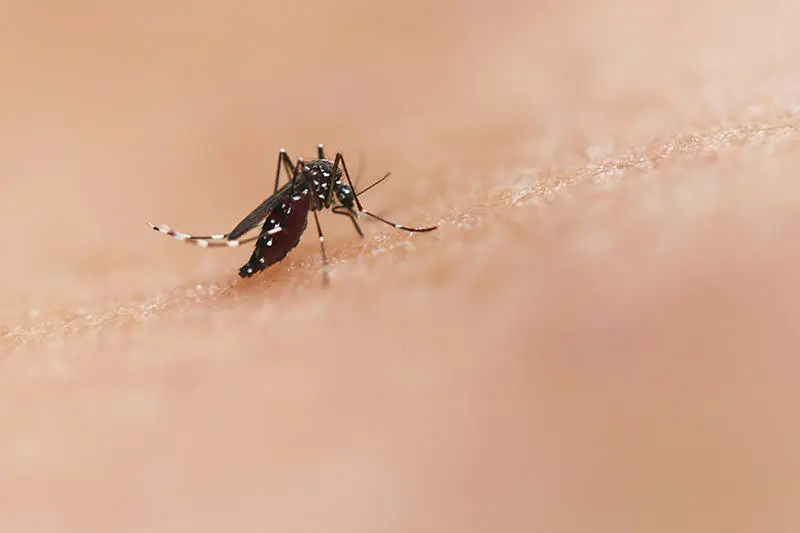
Also known as “breakbone fever”, dengue is a mosquito-borne illness. South America had the highest number of cases at 3.9 million, with 3.1million of those in Brazil alone. The highest fatality ratio was recorded in Asia, with Bangladesh recording the highest number of deaths at 1,705.
Dr Md Asaduzzaman, Associate Professor in Operational Research at University of Staffordshire, was a senior author of the study led by Keele University.
He said: “This data highlights the escalating severity and the wide geographical spread of dengue, a disease endemic in over 125 countries.
“The worsening trends are attributed to factors like climate change, urbanisation, and globalisation, which are expanding the habitats of dengue-carrying mosquitoes.”
The study found that children are disproportionately affected, as weaker immune systems make them more susceptible. For instance, in Bangladesh, a significant number of fatalities involved children under the age of ten.
The disease also exacerbates vulnerabilities in already strained health systems, particularly in low-resource settings. The findings highlighted gaps in laboratory capacity, disease surveillance, and timely diagnosis, particularly in regions like Africa, where dengue is often underreported or misdiagnosed as malaria or other febrile illnesses.
The researchers are calling for coordinated international efforts, including accelerated vaccine development, stronger public health campaigns for awareness and prevention, and improved clinical management of severe cases.
Lead researcher Dr Najmul Haider, a Lecturer in Epidemiology in Keele’s School of Life Sciences, said: “A comprehensive, global approach is essential to curb the spread of Aedes mosquitoes and reduce dengue cases.”
Dr Asaduzzaman added: “The study serves as a wake-up call, demonstrating the need for immediate and sustained investment in combating dengue and addressing its root causes globally.
“With dengue cases continuing to rise in 2024, the situation demands a proactive approach to prevent recurring epidemics. This includes integrating dengue strategies into broader global health and climate frameworks.”
Read the full paper published in IJID Regions – Global landmark: 2023 marks the worst year for dengue cases with millions infected and thousands of deaths reported.